October 6, 2026 • STAFF WRITER
Faux Wood Mantels: Custom Designs, Styles & Benefits
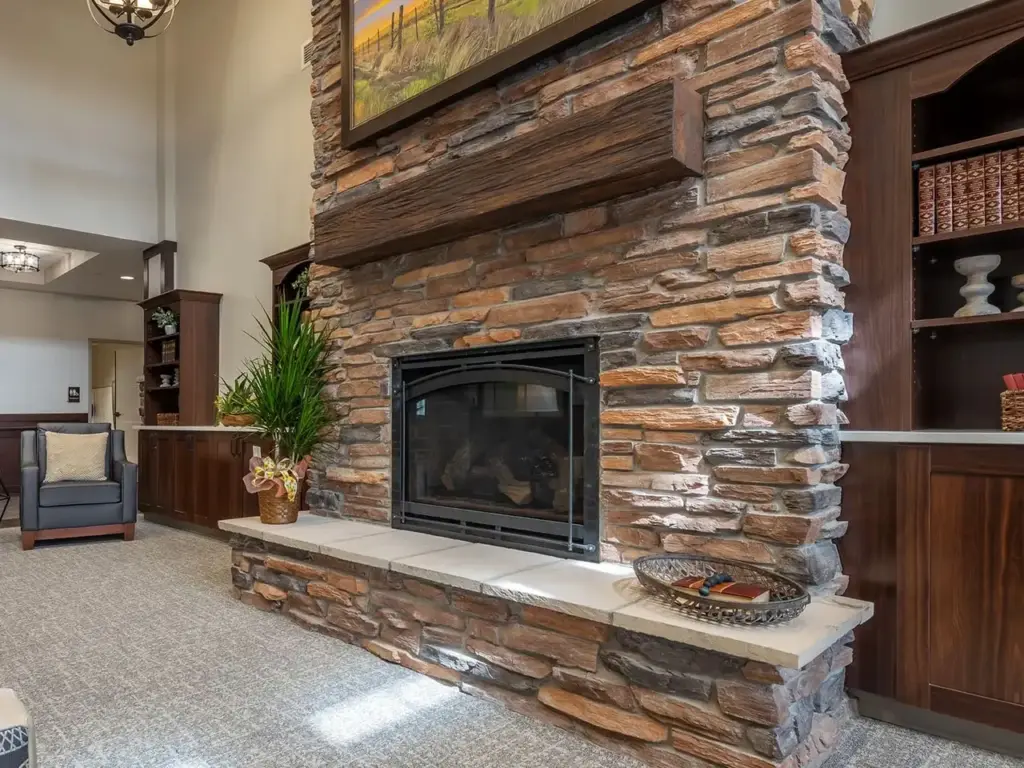
A fireplace mantel can do much more than frame a fireplace. It can introduce warmth, texture, and architectural character to an interior while becoming a natural focal point of the room.
Introduction
A fireplace mantel can do much more than frame a fireplace. It can introduce warmth, texture, and architectural character to an interior while becoming a natural focal point of the room.
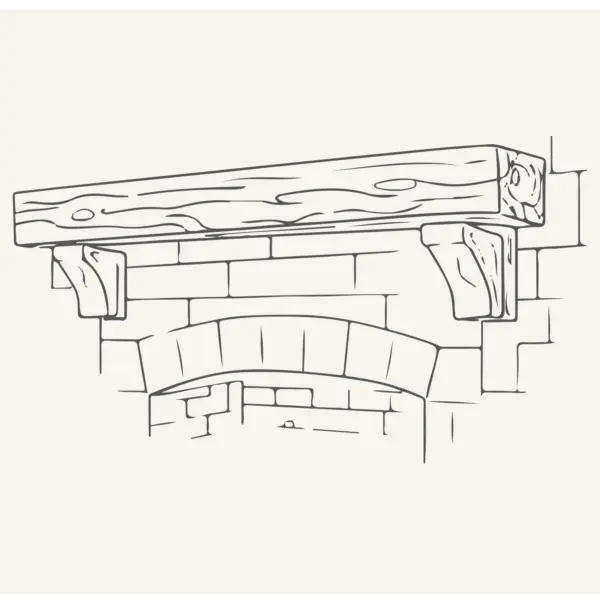
For projects that call for the appearance of natural timber without being limited to a standard wood mantel, faux wood mantels offer a flexible design alternative. They can be created in custom sizes and profiles, finished to complement the surrounding architecture, and designed to achieve a variety of wood looks.
At Decorative Architectural Products, custom faux wood mantels are part of a broader range of architectural elements designed for residential and commercial interiors.
What Is a Faux Wood Mantel?
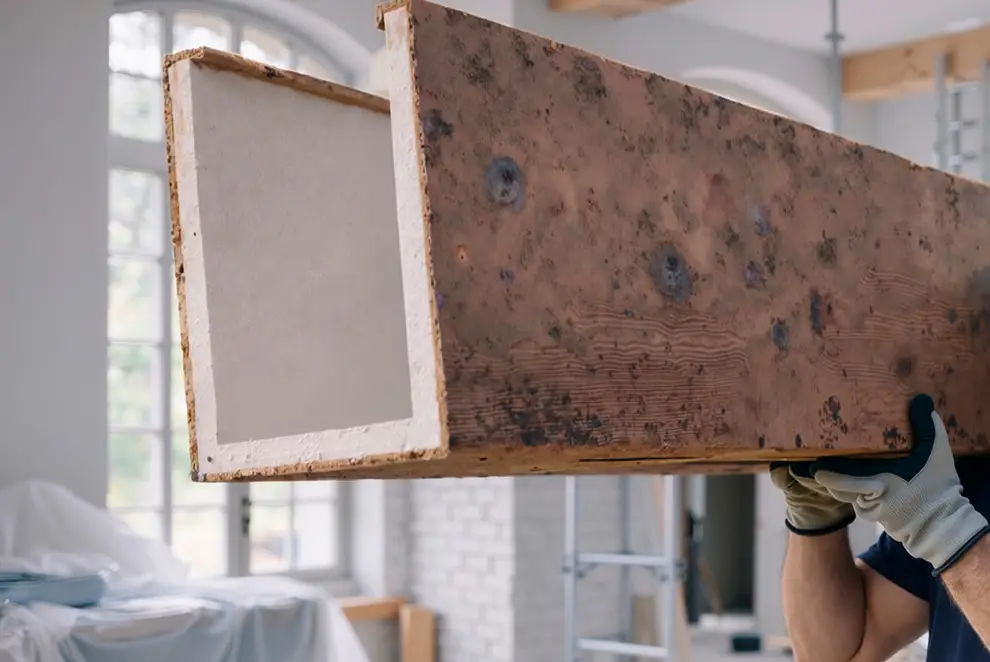
A faux wood mantel is a decorative architectural mantel designed to recreate the appearance and character of natural wood. Instead of relying on a solid timber component, faux wood products use a lightweight architectural material that can be shaped and finished to achieve the desired profile and wood-grain appearance. This opens up more possibilities for custom designs.
A mantel can be created around the dimensions of a specific fireplace, with the profile, proportions, texture, and finish selected to complement the room. The result can have the visual character of a substantial timber mantel while offering a different approach to fabrication and installation.
Why Are Wood Mantels So Popular?
Wood has always been a popular material for fireplace surrounds and mantels because it brings warmth and natural character to an interior.
A wood mantel can make a fireplace feel:
- more traditional;
- more substantial;
- warmer and more inviting;
- connected to other wood elements in the room;
- like an intentional part of the architecture rather than simply a fireplace installation.
The challenge is that a project may not always need or want a solid piece of timber. A large mantel can require substantial material, and custom carving or detailing can increase the complexity of fabrication. This is one reason designers and builders consider faux wood alternatives.
Faux Wood Mantels vs. Natural Wood
Natural wood and faux wood can both create attractive architectural results. The right choice depends on the project.
Appearance
- Natural wood offers authentic grain and texture.
- A faux wood mantel can be designed and finished to reproduce the visual character of different types of timber, including rustic, aged, traditional, or more refined wood appearances.
For many interior applications, the desired result is primarily the appearance of wood, rather than the use of solid timber itself.
Weight
- Large solid wood components can become substantial as their dimensions increase.
- A lightweight architectural mantel can be easier to handle during transportation and installation.
This can be especially useful for large fireplace designs or projects where access is limited.
Customization
- A standard timber mantel may need to be selected or modified around available sizes and profiles.
- Custom faux wood fabrication allows the design to start with the fireplace and the room.
The mantel can be created around the required:
- width;
- depth;
- height;
- profile;
- architectural style;
- texture;
- finish.
Installation
Lightweight components can simplify handling compared with large solid materials. This does not mean every project has the same installation requirements. The appropriate attachment method depends on the specific design and application. But for projects where weight and handling are important considerations, lightweight construction can offer an advantage.
Custom Faux Wood Mantels
One of the strongest reasons to choose a custom mantel is that fireplaces rarely have identical dimensions. A custom home may have a large central fireplace with a high ceiling. A renovation may involve an existing fireplace with unusual proportions. A commercial interior may require a completely different scale. Instead of starting with a standard mantel and adapting the room around it, the mantel can be designed around the project.
Custom fabrication can accommodate:
- oversized mantels;
- unusual proportions;
- decorative profiles;
- extended mantel shelves;
- custom end details;
- integrated architectural elements;
- specific wood-grain appearances;
- coordinated finishes.
This is particularly useful for designers and builders working on high-end interiors where small details have a significant effect on the finished space.
Faux Wood Mantel Styles
A faux wood mantel does not have to look like one specific type of timber.
The finish and detailing can be adapted to the design of the room.
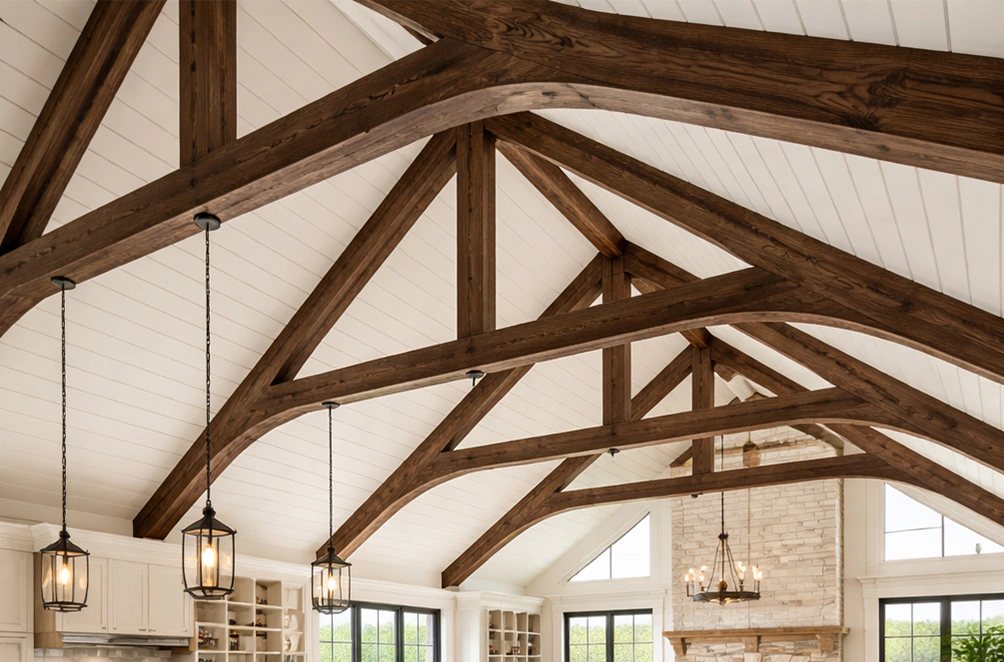
Rustic Wood
A rustic mantel can introduce a more relaxed, natural appearance.
Distressed textures, visible grain patterns, and an aged appearance can work well with farmhouse, lodge, rustic, and country-inspired interiors.
Reclaimed Wood Look
Reclaimed timber is popular because of its character and aged appearance.
A faux wood mantel can reproduce elements of that visual language while allowing the dimensions and profile to be designed specifically for the fireplace.
Traditional Wood
For classic interiors, a more refined wood profile can complement traditional mouldings, cabinetry, columns, and other architectural elements.
Modern Wood
Wood does not have to mean rustic.
A clean, simple profile with subtle wood texture can work in contemporary interiors where the fireplace needs warmth without excessive ornamentation.
Custom Architectural Styles
The design can also combine wood appearance with other architectural elements, creating a mantel that is unique to the project.
Designing a Faux Wood Mantel Around the Fireplace
The mantel should not be considered separately from the fireplace. Its proportions need to work with the fireplace opening and the surrounding architecture.
Important considerations include:
- Fireplace size: A larger fireplace generally needs a mantel with appropriate scale.
- Wall dimensions: The mantel should feel proportional to the wall rather than appearing too small or oversized.
- Ceiling height: The vertical proportions of the room can influence the size and profile of the mantel.
- Surrounding architecture: Columns, mouldings, cabinetry, wall panels, and other details should work together.
- Interior style: The wood appearance and profile should complement the overall design.
A well-designed mantel feels like it was always intended to be part of the room.
More Than Just a Mantel
A faux wood mantel can also become part of a larger fireplace surround. For example, a project might combine a custom mantel with:
- decorative columns;
- pilasters;
- fireplace surrounds;
- carved elements;
- mouldings;
- wall panels;
- architectural trim.
This approach can turn the entire fireplace wall into a coordinated architectural feature. It is particularly effective in luxury residences, hospitality interiors, restaurants, and other spaces where the fireplace is intended to be a major visual element.
For a custom project, the different components can be designed to work together instead of mixing unrelated standard products.
Faux Wood Mantels for Renovation Projects
A new mantel can also be an effective way to update an existing fireplace. The fireplace itself may be functional and in good condition, but its appearance may no longer fit the room. A custom faux wood mantel can change the architectural character of the fireplace without requiring a complete redesign of the room.
This can be useful when:
- updating an older home;
- changing the interior style;
- remodeling a living room;
- adding architectural detail to a previously simple fireplace;
- matching a new fireplace feature to existing mouldings or cabinetry.
Because the mantel can be designed around the existing opening, custom fabrication can be particularly useful in renovation work.
Where Can Faux Wood Mantels Be Used?
Faux wood mantels are not limited to residential living rooms. They can be incorporated into a variety of interior environments, including:
Luxury Homes
Custom mantels can become a central architectural feature in living rooms, bedrooms, studies, and other high-end spaces.
Restaurants
A fireplace can help establish the atmosphere of a restaurant. A custom wood-look mantel can reinforce the design concept without requiring a traditional timber installation.
Hotels and Hospitality
Architectural fireplace details can contribute to the identity of lobbies, lounges, restaurants, and guest spaces.
Commercial Interiors
When a commercial space needs a distinctive architectural feature, a custom mantel can be designed to match the broader interior concept.
Why Choose Decorative Architectural Products for a Faux Wood Mantel?
Decorative Architectural Products creates custom architectural elements rather than limiting projects to a single standard design. For a faux wood mantel, that means the project can start with the desired size, profile, appearance, and architectural style.
The finished piece can be developed to complement the surrounding interior and other architectural elements. Lightweight construction also provides practical flexibility when handling and installing large decorative components.
Whether the goal is a rustic reclaimed-wood appearance, a traditional timber profile, or a completely custom design, the mantel can be developed around the project.
Share:
Similar articles


What we do
We provide architects, builders, and homeowners with turnkey decorative elements that transform any project — fast, easy, and cost-effective.
Acoustic Panels Systems
Green Wall | Vertical Garden Panel Systems
Suspended Ceiling Systems
Acoustic Ceiling Systems
Stucco Mailboxes and Lamp Posts kits
Stucco Architectural Fencing Systems
Faux Stone Column Wraps
Faux Wood Mantels
Fireplace surround kits
Juliet Balcony Decorative kits
Get Your Free Catalog
Our catalog is designed to inspire architects, builders, and homeowners alike.
Have a question or suggestion? Write us or call us—we’re here!
Decorative architectural products manufacturer for interior and exterior applications.
25+ years of experience.
100% Made in the USA — factory in Jacksonville, Florida.
Get Your Free Catalog
Our catalog is designed to inspire architects, builders, and homeowners alike.
Have a question or suggestion? Write us or call us—we’re here!
Decorative architectural products manufacturer for interior and exterior applications.
25+ years of experience.
100% Made in the USA — factory in Jacksonville, Florida.