October 23, 2026 • STAFF WRITER
Custom Acoustic Panel Systems: Improving Sound With Acoustic Panels While Elevating Interior Design
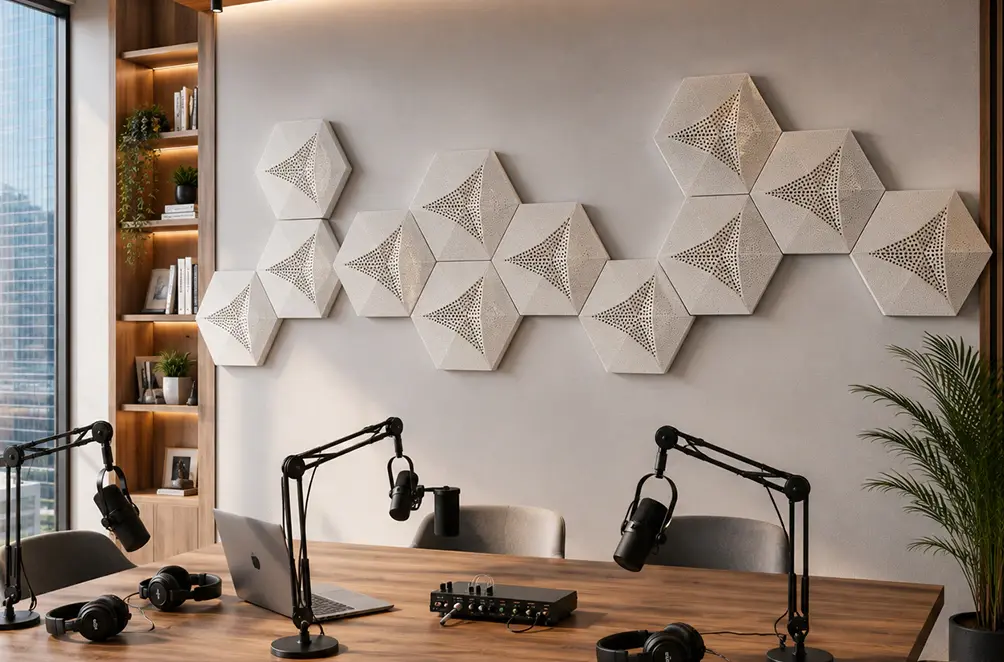
Acoustic panel systems are an effective way to manage sound within interior spaces while giving designers another opportunity to shape the visual character of a room.
Introduction
Acoustic panel systems are an effective way to manage sound within interior spaces while giving designers another opportunity to shape the visual character of a room.
In offices, restaurants, hospitality spaces, conference rooms, studios, educational environments, and residential interiors, excessive reverberation and reflected sound can make a space uncomfortable or difficult to use. High-quality acoustic panels can help address these issues while becoming part of the interior rather than an element that needs to be hidden.
Modern acoustic panel systems can range from simple wall-mounted panels to highly customized decorative installations. The right approach depends on the acoustic requirements, room configuration, and architectural concept.
What Are Acoustic Panel Systems?
Acoustic panels are architectural or interior products designed to absorb or otherwise manage sound within a space.
They are commonly installed on walls or as an acoustic panel system ceiling installation and can be used to help reduce sound reflections and reverberation.
Depending on the system, acoustic panels can be:
- Wall-mounted
- Ceiling-mounted
- Suspended
- Framed
- Free-standing
- Integrated into architectural features
- Fabric-covered
- Geometric or sculptural
This flexibility allows acoustic treatment to be incorporated into many different types of interiors.
Why Acoustic Panels Matter: Why Acoustic Panels Transform Modern Spaces
A room with large areas of hard surfaces can produce significant sound reflection.
In a restaurant, this may make conversations harder to follow. In an office, it can contribute to a distracting environment. In a conference room, excessive reverberation can affect speech intelligibility.
Understanding how acoustic panels work helps explain their impact: porous substrates absorb sound energy rather than reflecting it back into the room. When installed properly, acoustic panels sound dampening properties help manage these conditions by reducing reverberation.
The objective isn’t necessarily to make a room completely silent. Instead, acoustic design is often about creating an environment where sound behaves more appropriately for the intended use of the space.
Acoustic Treatment Doesn’t Have to Look Technical
One of the biggest changes in contemporary acoustic design is the integration of acoustic treatment with interior architecture.
Traditional acoustic panels are often rectangular and visually understated. That can be appropriate for many applications, but it isn’t the only option.
Panels can be designed or arranged to create:
- Geometric patterns
- Repeating compositions
- Feature walls
- Decorative borders
- Sculptural installations
- Curved forms
- Custom logos or shapes
- Coordinated architectural details
This allows acoustic treatment to become part of the design concept. Instead of asking how to hide the panels, designers can ask how the panels can contribute to the space.
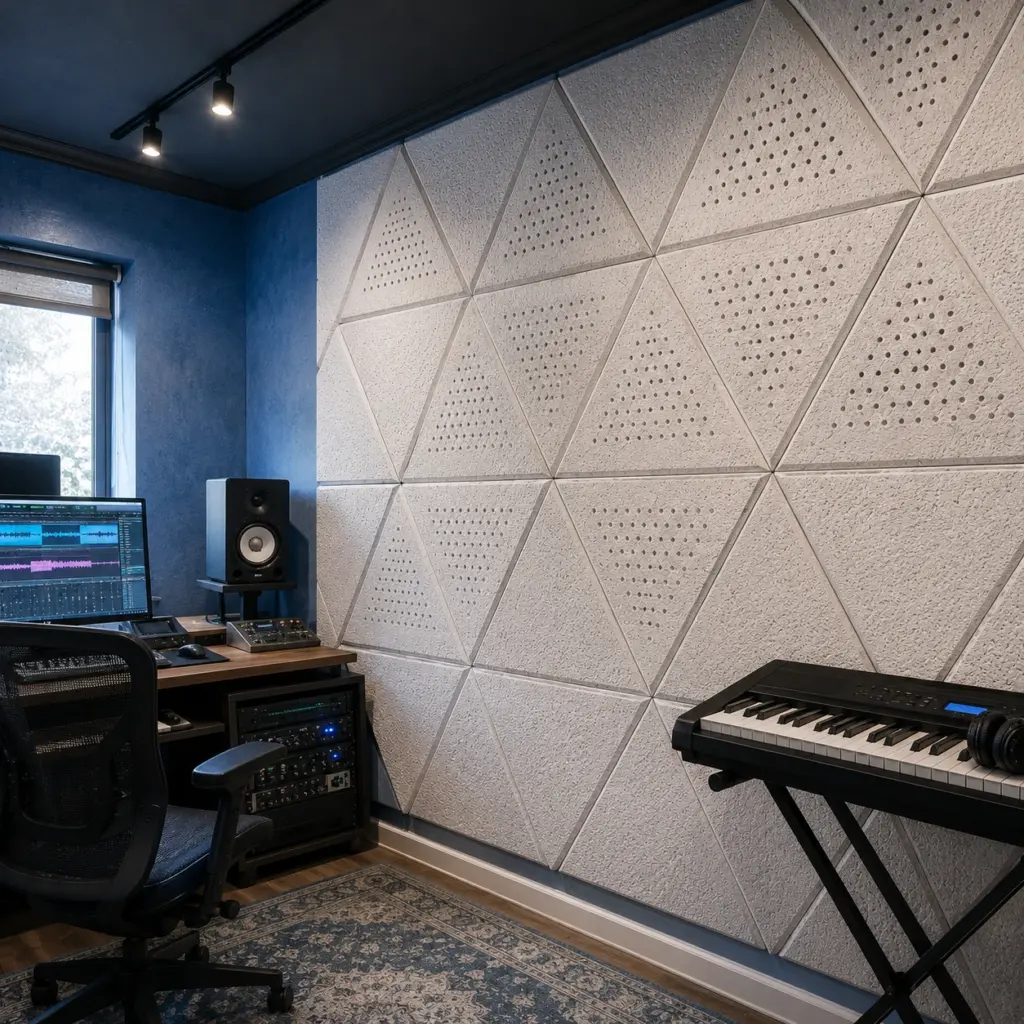
Acoustic Wall Panels
Wall-mounted acoustic panels are one of the most common applications.
They can be installed individually or combined into larger compositions. A series of panels can cover a portion of a wall, create a feature area, or establish a repeating visual pattern.
Wall panels are particularly useful in rooms where large vertical surfaces contribute to sound reflection. Potential applications include:
- Conference rooms
- Offices
- Restaurants
- Reception areas
- Hotel interiors
- Classrooms
- Studios
- Home theaters
When determining where should acoustic panels be placed in a room, the amount and placement of acoustic treatment should be determined according to the requirements of the specific room.
Decorative Acoustic Panels
Acoustic panels can also become a decorative element.
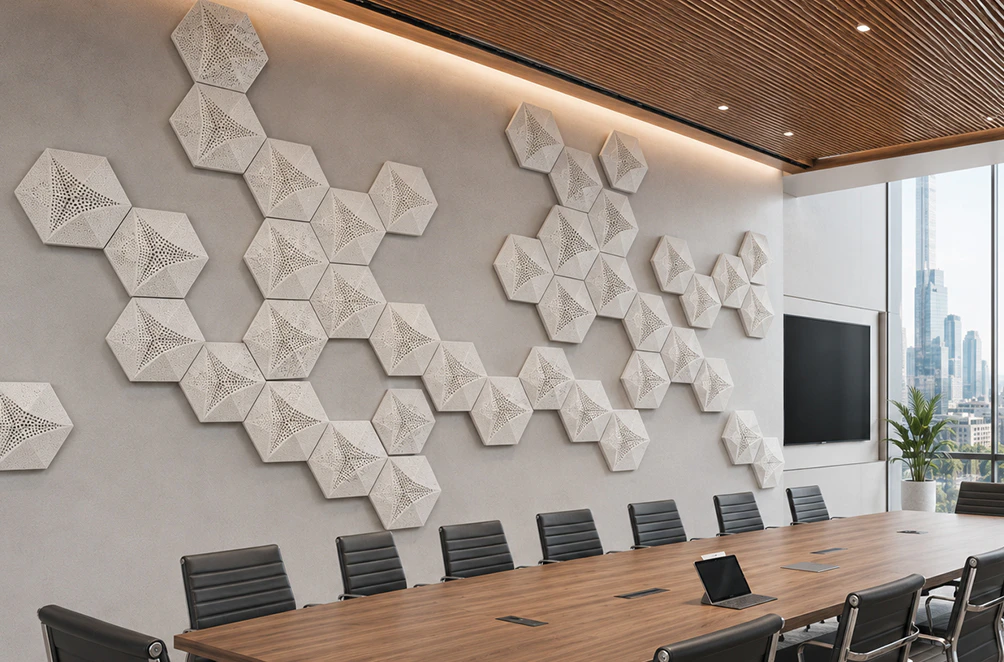
Rather than using identical rectangles, designers can combine different shapes and orientations to create a more dynamic composition.
For example, geometric panels can be arranged to create a large abstract pattern across a wall. Alternatively, a series of vertical panels can reinforce the proportions of a room while providing acoustic treatment.
This approach is particularly useful in hospitality and commercial environments where the interior needs to feel designed rather than purely functional.
Acoustic Panels for Restaurants
Restaurants can present challenging acoustic environments. Conversations, music, kitchen activity, dishes, and customer movement all contribute to the overall sound environment. At the same time, restaurant interiors often rely heavily on visual atmosphere.
Acoustic panels can therefore serve two purposes: contributing to acoustic comfort while supporting the restaurant’s visual identity.
Panels can be coordinated with:
- Wall finishes
- Furniture
- Lighting
- Decorative ceilings
- Branding
- Architectural features
A well-integrated system can become part of the interior rather than looking like an added technical product.
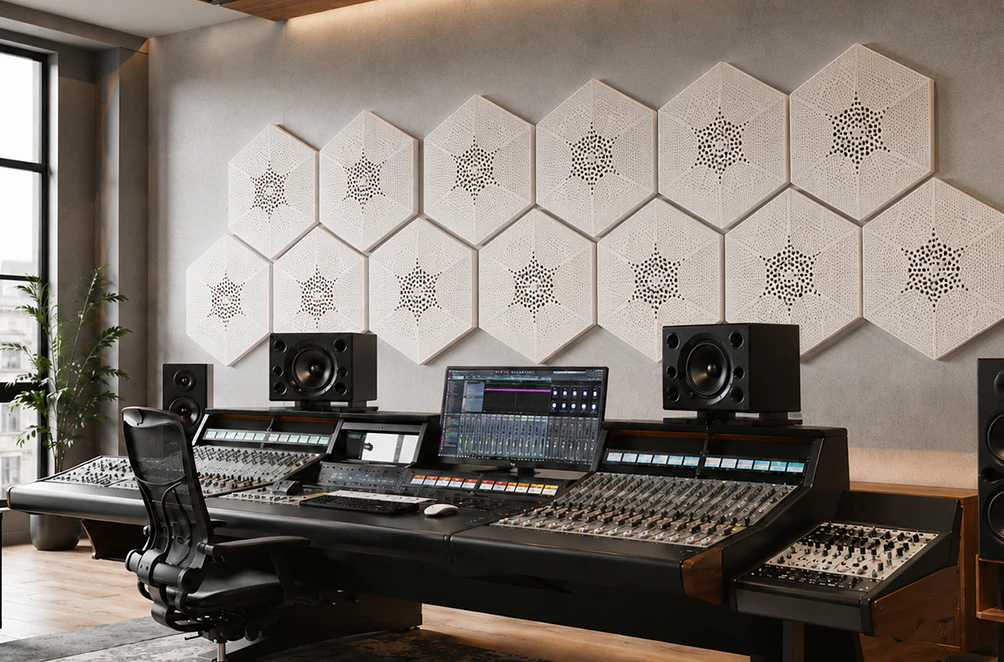
Acoustic Panels in Offices
Open-plan offices can contain many simultaneous sources of sound. Conversations, phone calls, meetings, equipment, and movement can create a complex acoustic environment.
Acoustic wall and ceiling treatments can be incorporated into different zones of the workplace. For example, panels can be concentrated around:
- Meeting areas
- Collaboration spaces
- Phone booths
- Reception areas
- Open work areas
They can also help visually define different zones within a larger interior.
Acoustic Panels for Hospitality Spaces
Hotels, lounges, restaurants, and other hospitality environments often need to balance comfort, acoustics, and visual identity.
A custom acoustic installation can become a feature within a lobby, corridor, lounge, or dining area. Instead of treating acoustics as a separate technical requirement, designers can coordinate the panel design with the rest of the interior architecture.
This can include matching the overall geometry, creating a particular pattern, or integrating panels with decorative wall treatments.
Acoustic Panels vs. Decorative Wall Panels
Decorative wall panels and acoustic panels are not necessarily the same product.
A decorative panel primarily addresses appearance, while an acoustic panel is designed as part of an acoustic strategy. Some architectural installations combine the two functions, but acoustic performance depends on the actual materials, construction, thickness, mounting method, and coverage.
This distinction is important when specifying a project. A visually attractive wall treatment should not automatically be assumed to provide meaningful acoustic absorption.
Custom Acoustic Panel Shapes
One of the advantages of custom fabrication is the ability to move beyond standard rectangular panels.
Depending on the project, acoustic elements can be developed as:
- Circles
- Arches
- Hexagons
- Curved panels
- Strips
- Repeating geometric forms
- Large feature shapes
- Custom branded forms
Custom shapes can be particularly effective when the acoustic installation needs to work with an existing architectural concept. For example, a curved interior may benefit from curved acoustic elements rather than a collection of standard rectangular panels.
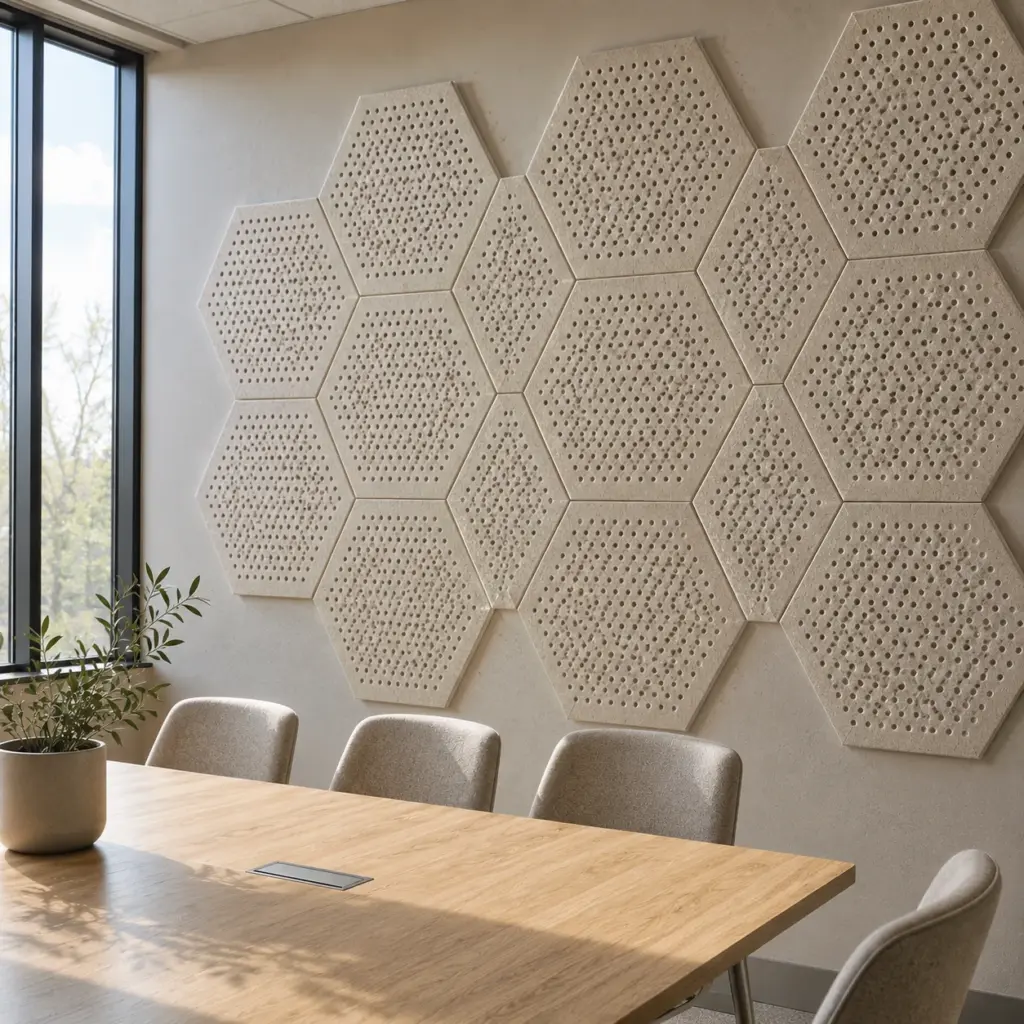
Combining Acoustic Panels With Architecture
Acoustic panels can be integrated with other architectural elements to create a more complete interior composition.
They can work alongside:
- Decorative moldings
- Columns
- Pilasters
- Wall niches
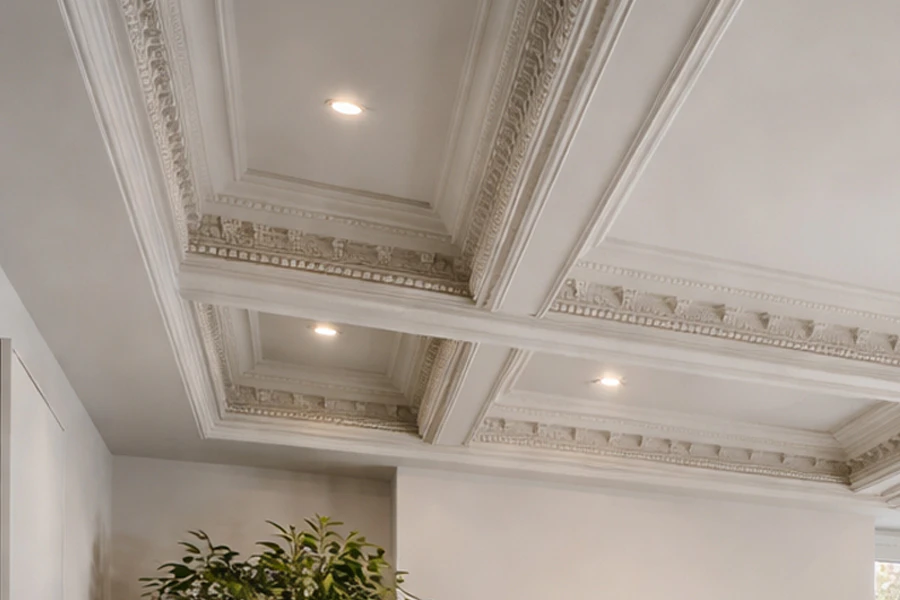
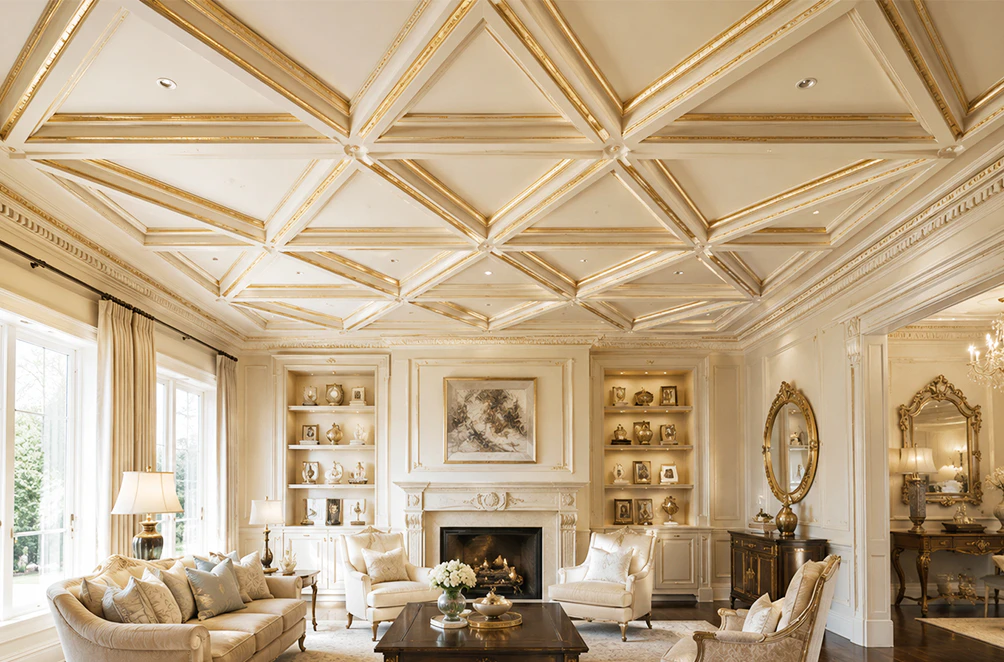
- Architectural ceilings
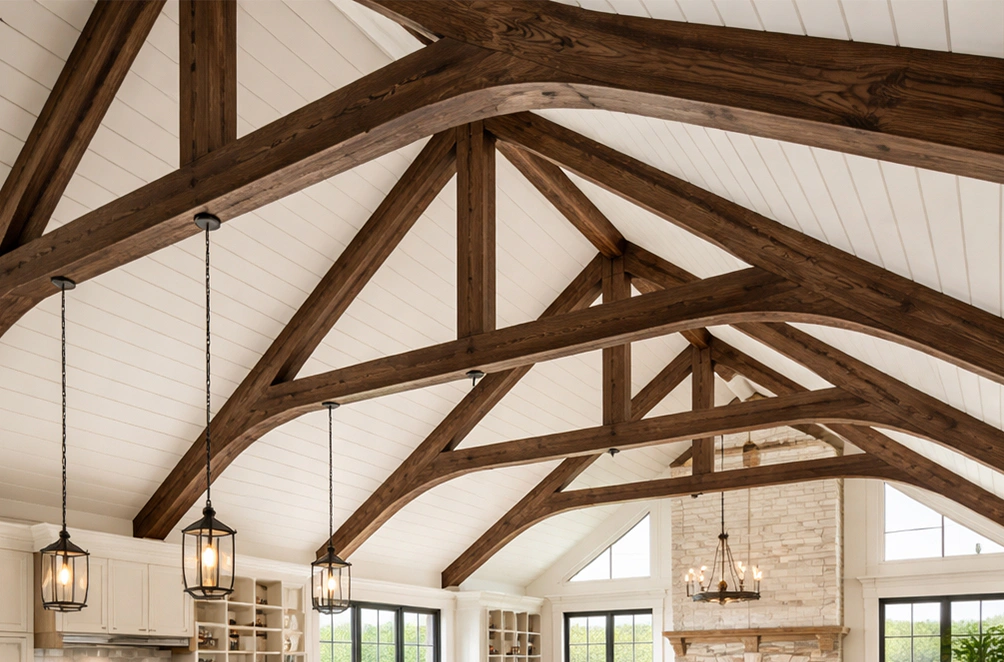
- Decorative beams
- Lighting features
- Feature walls
A designer might frame an acoustic panel installation with architectural trim or use decorative panels to transition between acoustic treatment and surrounding wall surfaces. This approach can make the acoustic system feel intentional and integrated.
Lightweight Architectural Elements and Acoustic Design
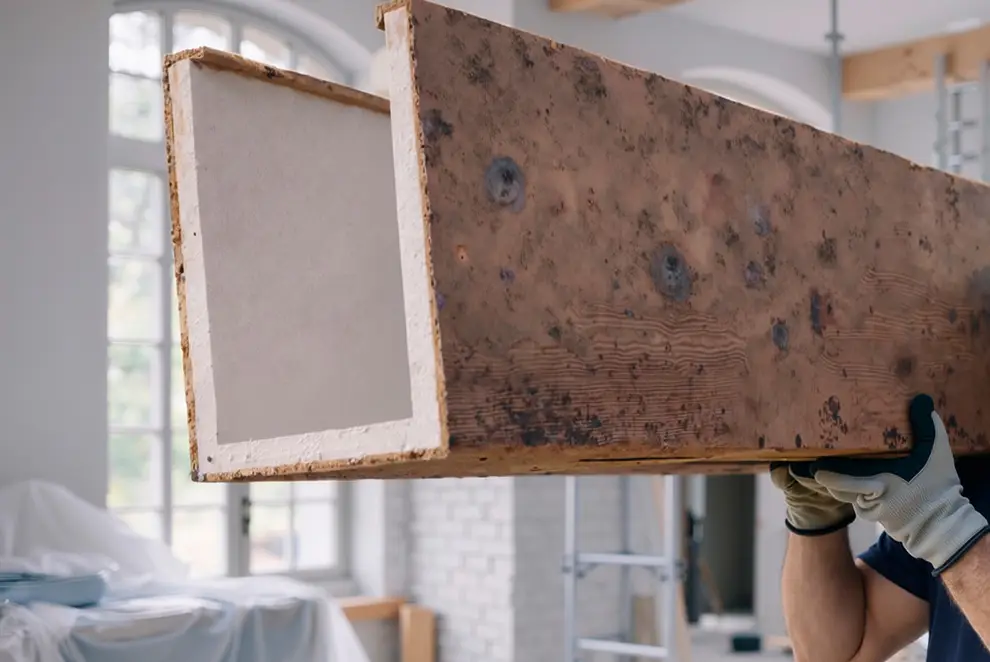
Lightweight architectural materials can provide flexibility when creating decorative forms around an acoustic installation.
They can be used for components such as:
- Frames
- Borders
- Decorative profiles
- Geometric surrounds
- Feature-wall elements
- Custom shapes
However, decorative architectural components should not automatically be treated as acoustic absorbers. Where acoustic performance is required, the actual sound-absorbing material and complete assembly should be selected and evaluated for the intended application.
This allows the decorative and acoustic aspects of the project to work together without confusing their individual functions.
Custom Acoustic Panel Solutions From Decorative Architectural Products
Decorative Architectural Products can produce custom architectural elements that can be incorporated into acoustic wall and ceiling designs. Specifying locally engineered acoustic panels usa solutions ensures tight fabrication tolerances and reliable lead times.
Rather than limiting an installation to standard profiles, custom components can be developed around the dimensions and visual requirements of the project.
Possible applications include:
- Decorative acoustic panel surrounds
- Custom wall features
- Architectural frames
- Geometric elements
- Decorative borders
- Feature-wall components
- Custom profiles and shapes
This approach is particularly useful when the acoustic installation needs to coordinate with a broader architectural design. The acoustic material itself can then be selected as part of the complete system according to the project’s performance requirements.
Designing an Acoustic Panel System
Before selecting a panel system, it is useful to consider both the acoustic and architectural requirements.
- Start With the Room: Consider the size, shape, ceiling height, and existing surfaces.
- Identify the Acoustic Problem: Determine whether the primary concern is reverberation, speech intelligibility, reflected sound, or general acoustic comfort.
- Determine Panel Placement: Deciding where should acoustic panels be placed in a room is critical: not every wall needs to be covered. Placement should correspond to the acoustic goals of the space.
- Calculate Required Coverage: Planners often ask how much acoustic panels do i need; calculating the room volume and surface reflectivity helps establish the optimal square footage of treatment.
- Consider the Visual Design: The panel system should work with the room’s architecture, lighting, furniture, and finishes.
- Coordinate Other Systems: Lighting, HVAC, electrical components, signage, and other architectural elements may need to be coordinated with the acoustic installation.
Acoustic Panels as a Design Opportunity
Acoustic treatment is often introduced because a room has a sound problem. But that doesn’t mean the final result needs to look like a technical solution.
A wall of carefully arranged acoustic panels can become a feature. A geometric composition can reinforce the architecture of a room. A custom installation can even become part of a company’s visual identity.
The key is to consider acoustic treatment early enough that it can be integrated into the design rather than added after the interior is already finished.
Make Acoustic Treatment Part of the Interior
Acoustic panels don’t have to compete with architectural design. When acoustic requirements are considered together with the interior concept, panels can help create a more comfortable sound environment while contributing to the visual identity of the space.
For offices, restaurants, hospitality projects, commercial interiors, and custom residential spaces, a well-planned acoustic panel system can turn an ordinary wall or ceiling into a purposeful architectural feature.
Planning an acoustic wall, feature panel system, or custom architectural installation? Contact Decorative Architectural Products to discuss your project, dimensions, design, and requirements.
Share:
Similar articles





What we do
We provide architects, builders, and homeowners with turnkey decorative elements that transform any project — fast, easy, and cost-effective.
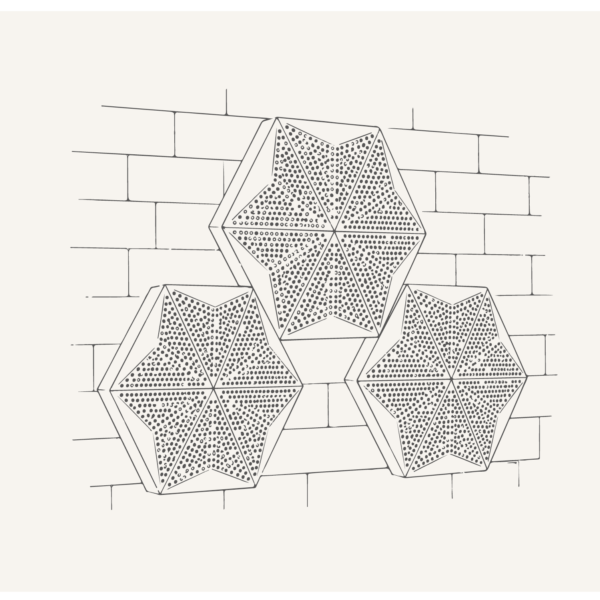
Acoustic Panels Systems
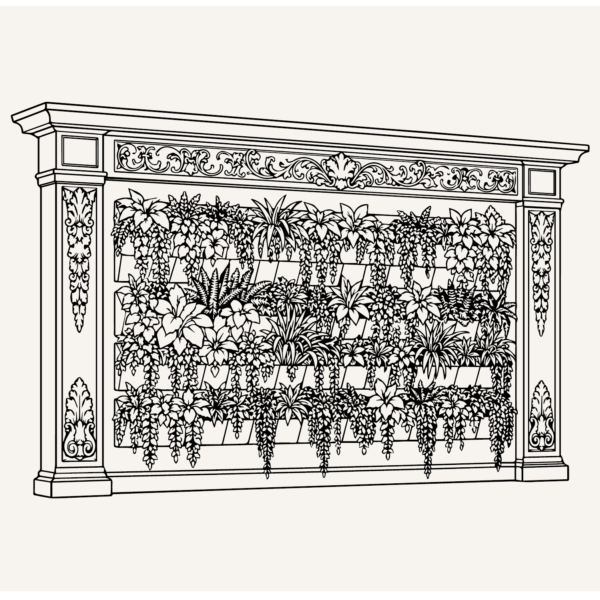
Green Wall | Vertical Garden Panel Systems
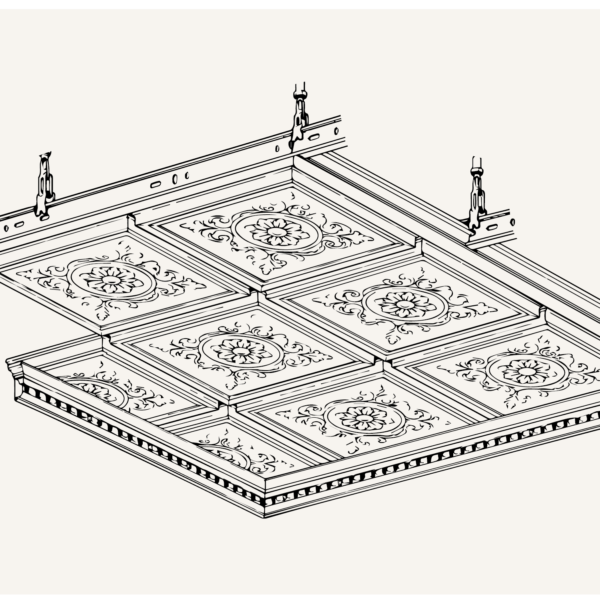
Suspended Ceiling Systems
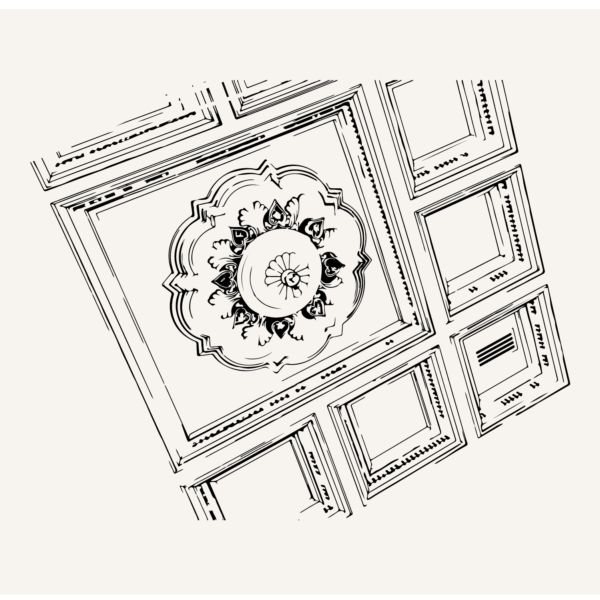
Acoustic Ceiling Systems
Stucco Mailboxes and Lamp Posts kits
Stucco Architectural Fencing Systems
Faux Stone Column Wraps
Faux Wood Mantels
Fireplace surround kits
Juliet Balcony Decorative kits
Get Your Free Catalog
Our catalog is designed to inspire architects, builders, and homeowners alike.

Have a question or suggestion? Write us or call us—we’re here!
Decorative architectural products manufacturer for interior and exterior applications.
25+ years of experience.
100% Made in the USA — factory in Jacksonville, Florida.